Rust removal – where it starts and when to act
Estonian winters are hard on a car body: road salt, moisture and constant freezing and thawing eat metal fastest where you rarely look – inside the sills, along wheel-arch edges, on the lower edges of doors and tailgate and in the seams of the underbody. The first sign is usually a small bubble under the paint or a brown stain around a stone chip.
Surface rust is easy to fix: we grind it back to clean metal, protect the area with anti-corrosion primer and paint the panel. Once rust has eaten through the metal, paint no longer helps – we cut out the damaged section and weld in new steel.
The earlier rust is stopped, the smaller the job. Fixing the same spot a year later often means welding and a bigger paint job. The most common rust spots are sills, rear wings and wheel arches, lower door and tailgate edges, the front edge of the bonnet, the inner edges of the front wings, and the underbody with its seams.
Sill and wheel-arch welding
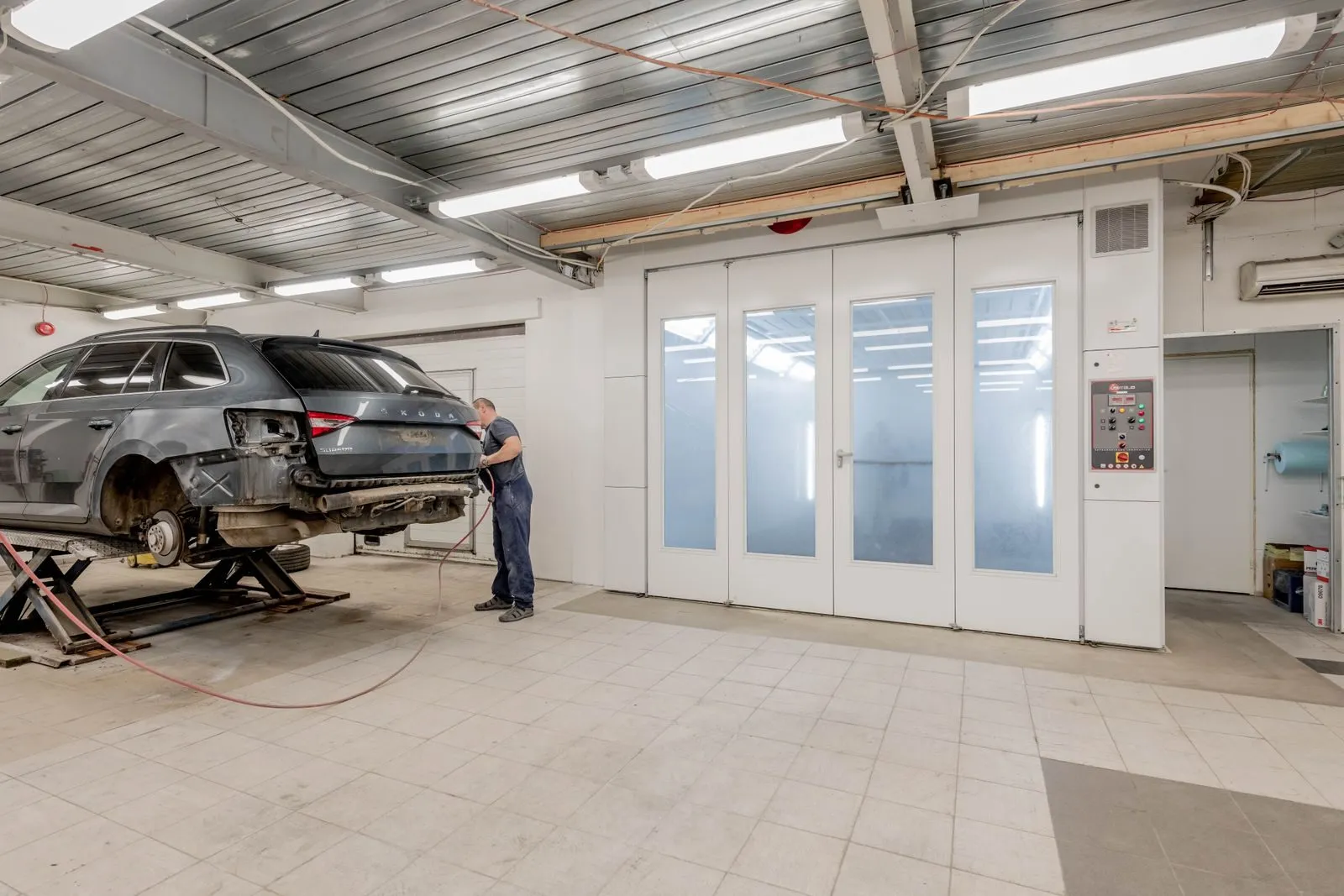
A rusted-through sill is one of the most common welding jobs. We cut out the corroded section, clean the surrounding metal, weld in a repair section or a complete repair panel and seal the seams. Rear wings, wheel arches and the underbody are repaired the same way.
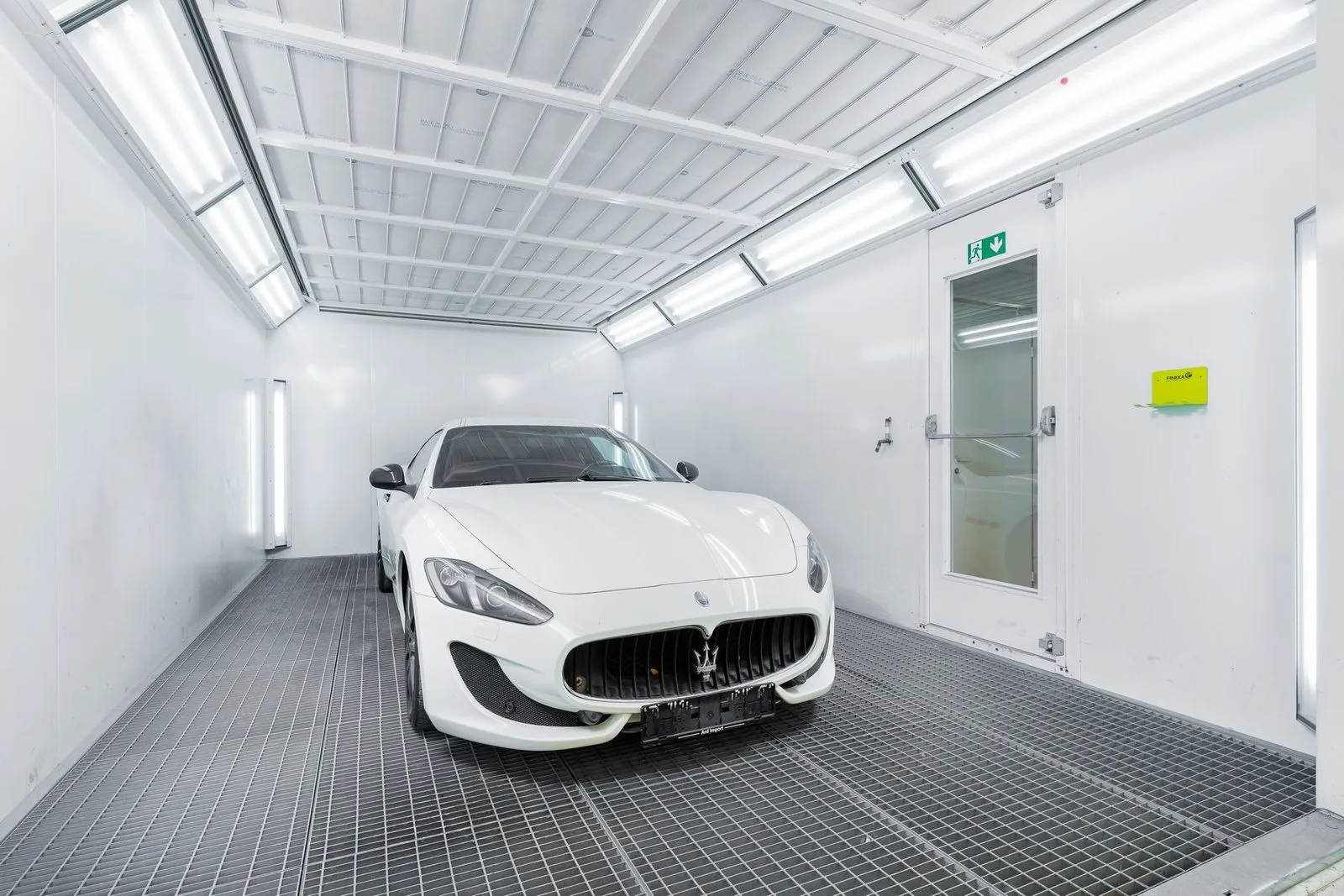
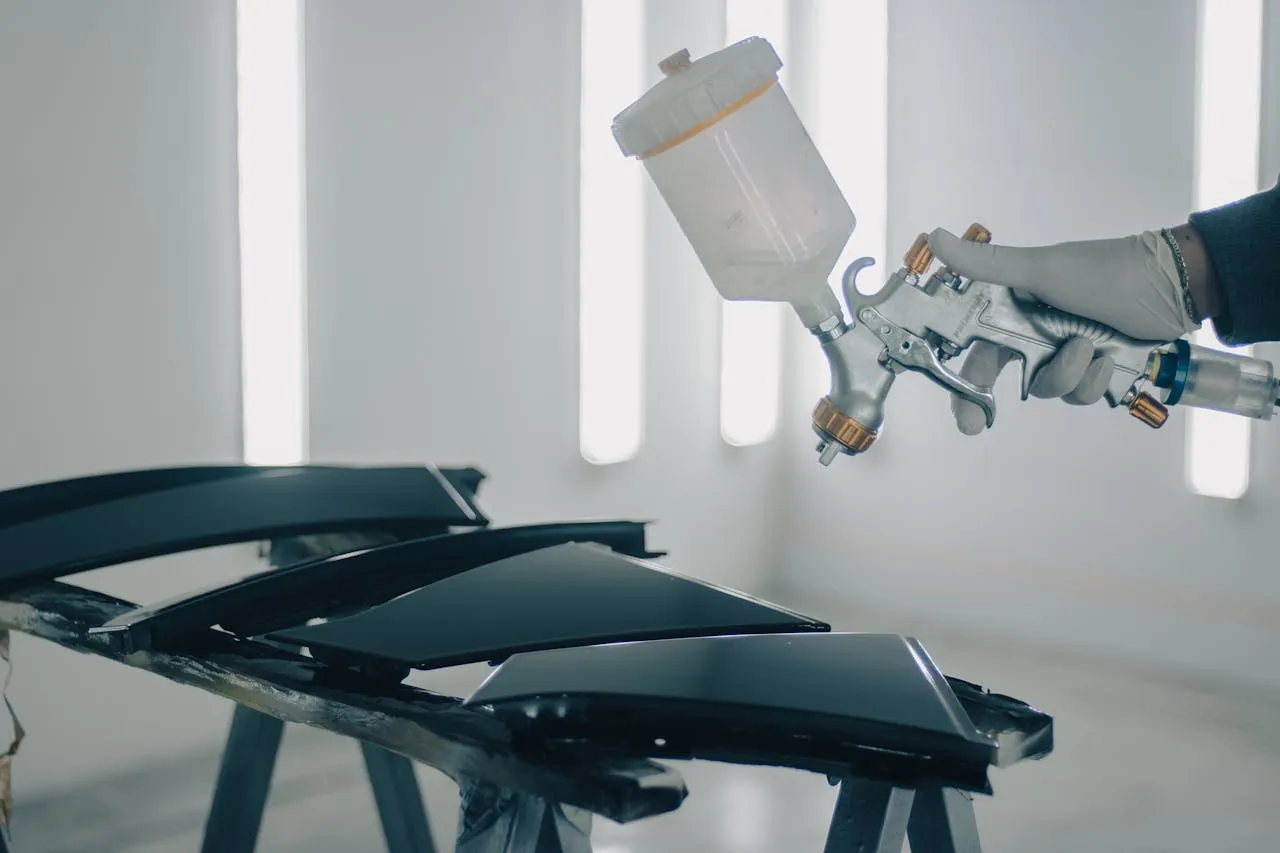
After welding we protect the repair with anti-corrosion primer, treat the seams from the inside as well and paint the panel in our own booth to the car’s original colour code. The repair is invisible and the new metal does not start rusting in the same place.
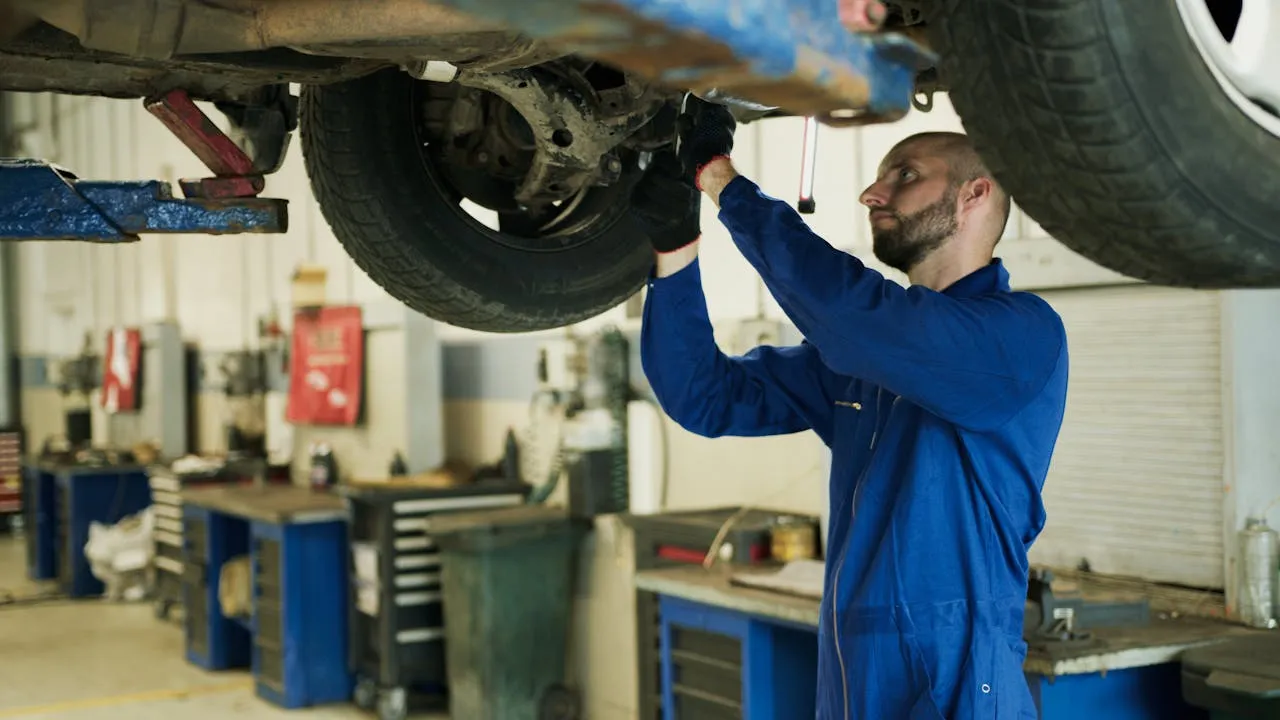
Welding is also needed when roadworthiness inspection has flagged corrosion in load-bearing parts of the body. We check the car on the lift and tell you how much work is ahead – often less than you fear. Larger accident repairs are described on the body repair page.
Dinitrol rustproofing – cavities and underbody
Repairing rust is not enough if the body is left unprotected. Rustproofing means treating the hidden cavities and the underbody with a product that repels moisture and stops corrosion that has already started. We use Dinitrol materials. The treatment has two parts:
- Cavities – sills, the inside of doors and tailgate, the inner side of the wings, chassis members. Using a long nozzle we spray a liquid protective product into the cavities; it creeps into seams and folds and forms a water-repellent film.
- Underbody and wheel arches – after pressure washing and drying we coat the underbody, wheel arches and chassis members with a protective layer that withstands stone chips and road salt.
Before treatment we inspect the body on the lift. Where rust has already gone through the metal, we repair it first – the protective product keeps healthy metal healthy, it does not fill holes.
When rustproofing makes sense
Rustproofing pays off on most cars driven year-round on Estonian roads. We especially recommend it:
- for a used car, especially one imported from abroad – you do not know how it was looked after; a lift inspection and treatment before the first winter;
- for a new or low-mileage car – factory protection is good, but extra cavity treatment extends the life of the body on salted roads;
- after rust repair or welding – new metal and seams need protection from the inside too;
- after accident repair – the cavities and seams of replaced and welded panels;
- before winter – the best time is a dry autumn, when the body is clean and dry.
Rust and insurance
Rust caused by age and lack of care is not covered by insurance – it counts as normal wear. Panels damaged in an accident, however, are repaired so that rust does not start in them: welded seams and the cavities of replaced panels are rustproofed as part of the insurance repair.
If older rust shows up during accident repair, we tell you honestly what belongs to the claim and what is worth doing at your own cost at the same time – saving you a second visit.
Rust repair and rustproofing prices
The price depends on how far the rust has gone and how large an area needs treating. A spot repair on one panel, welding a sill with painting, and rustproofing the whole body are very different amounts of work.
| What affects the price | What it means |
|---|---|
| Depth of rust | Surface rust is ground off and painted; a rusted-through area needs welding and new metal. |
| Number of panels | One door edge, or both sills together with the rear wings. |
| Amount of painting | Whether a spot repair is enough or the whole panel must be painted for the colour to blend. |
| Size of the car | The underbody and cavities of an SUV or van are a larger area than those of a small car. |
| Extent of rustproofing | Cavities only, underbody only or both; whether the underbody needs pressure washing and removal of old coating first. |
| Extra work | Removing wheel-arch liners, underbody covers and trim for the treatment; new clips and seals. |
We give an exact price after a lift inspection or from photos. Send photos of the rust spots, close up and from further away, with the make, model and year of the car – we reply on working days.
Why do rust repair and rustproofing in one workshop
Rustproofing centres treat the body but do not weld or paint; many paint shops do not rustproof. With us everything happens in one place – our workshop at Telliskivi 57D in North Tallinn, about 5 minutes from the Baltic Station. Open Mon–Fri 8:30–17:30.
- In business since 2002
- Rust removal, welding and painting in our own booth
- Dinitrol rustproofing of cavities and underbody
- Lift inspection – we tell you what really needs doing
- 1-year warranty on body and paint work
- For insurance cases we file the claim and deal with the insurer ourselves
- Cars, SUVs and vans